News & Visitor Information for Birdcraft
Celebrate the Pileated Woodpecker, Connecticut Audubon’s 2026 Bird of the Year

Pileated Woodpecker is Connecticut Audubon’s Bird of the Year for 2026.
January 19, 2026—We’re excited to announce that Connecticut Audubon’s first-ever Bird of the Year is the Pileated Woodpecker, and that we’re holding special programs throughout the year to help you get to know this large and beautiful bird better.
The Bird of the Year program is all about celebrating birds, the places they live, and the community of people who care about them.
Our members from across the state voted, and they chose the strikingly beautiful and unmistakable Pileated Woodpecker — you might know it from the sonic grandeur of its staccato mating call and resonant drumming — to represent the importance of conservation and education, and also the importance of simply enjoying Connecticut’s birds.
Throughout the year, Connecticut Audubon’s centers and sanctuaries will be putting the spotlight on the Pileated Woodpecker. We’re planning monthly programs and experiences to show how these birds live and behave, and why they are so important to our local history and landscape.
Pileated Woodpeckers are year-round residents, so celebrating them is also a perfect way to get to know the beautiful local trails and forests where they can be found.
There are many ways to get involved, and we are making sure there is something for everyone.
- Guided woodland walks to see their habitat firsthand.
- In-person talks and hands-on programs for all ages and skill levels.
- Virtual webinars you can tune into from home.
Whether you join us for a hike or watching a presentation online, you’ll have a much deeper appreciation for the Pileated Woodpecker and the forests they call home.
Our hope is that this program encourages everyone to take a closer look at the birds in their own backyards and join us in protecting the habitats that keep them flying.
Here’s the schedule. Check back often for more:
Tuesday, January 20, 6-7 p.m.
Bird of the Year; Pileated Woodpecker
Free introductory webinar
Joe Attwater and Heather Kordula, Connecticut Audubon’s Roger Tory Peterson Estuary Center
Wednesday, February 25, 5:30-6:30 p.m.
Pileated Woodpeckers Near and Far with EcoTravel’s Matt Bell.
A free presentation at the Roger Tory Peterson Estuary Center, Old Lyme
Register HERE
Connecticut Audubon Society, Center at Pomfret
Early Morning Bird Walks
Tuesdays, April 7, 14, 21, and 28, at 8 a.m.
Join us for a guided spring bird walk through the meadows and forests of Pomfret, Connecticut. As the landscape wakes up in April, these habitats come alive with birdsong, movement, and seasonal surprises. We’ll stroll at an easy pace, listening and looking for a variety of meadow and woodland species — and with any luck, we may hear or even spot the iconic Pileated Woodpecker, a frequent presence along the route.
This walk is perfect for birders of all levels, from curious beginners to seasoned observers, and offers a chance to slow down, sharpen your senses, and experience Pomfret’s natural beauty in early spring. Bring binoculars, sturdy footwear, and a sense of curiosity. Registration not required. Fee: $5 CAS members; $20 non-members.
Sunday, June 14, 10 a.m. – noon
Pileated Woodpeckers & Forest Birds (class / walk)
Join us at Deer Pond Farm for a program on Pileated Woodpeckers, and other forest birds, sharing the same habitat. Lori Lichtenauer Sanctuary Manager / Naturalist will share unique adaptations of the Pileated Woodpeckers to survive and thrive year-round in the forests of the northeast. You will learn how Pileateds excavate holes in trees for nesting and to find wood boring insects to eat. Pileated woodpeckers are some of the only birds capable of creating large cavities for nesting, roosting, and shelter in bad weather for a variety of bird species. Non-migratory birds like tufted titmice, house wrens, chickadees and more use old Pileated cavities as their nest sites. Learn about the ways the forest community benefits from the industrious nature of the Pileated. The program will start in our classroom, then we’ll be on the wooded trails around our main campus birding. All birding levels welcome. Recommended for ages 10 and up.
Register HERE
Birdcraft Building Hours
Monday – Friday; 9 a.m. to 5 p.m.
Birdcraft Museum Hours
Tuesday, Thursday, Saturday; 10 a.m. to 3 p.m.
Birdcraft Sanctuary
Sanctuary trails are open daily, year-round, dawn to dusk
Birdcraft Sanctuary Bird Checklist
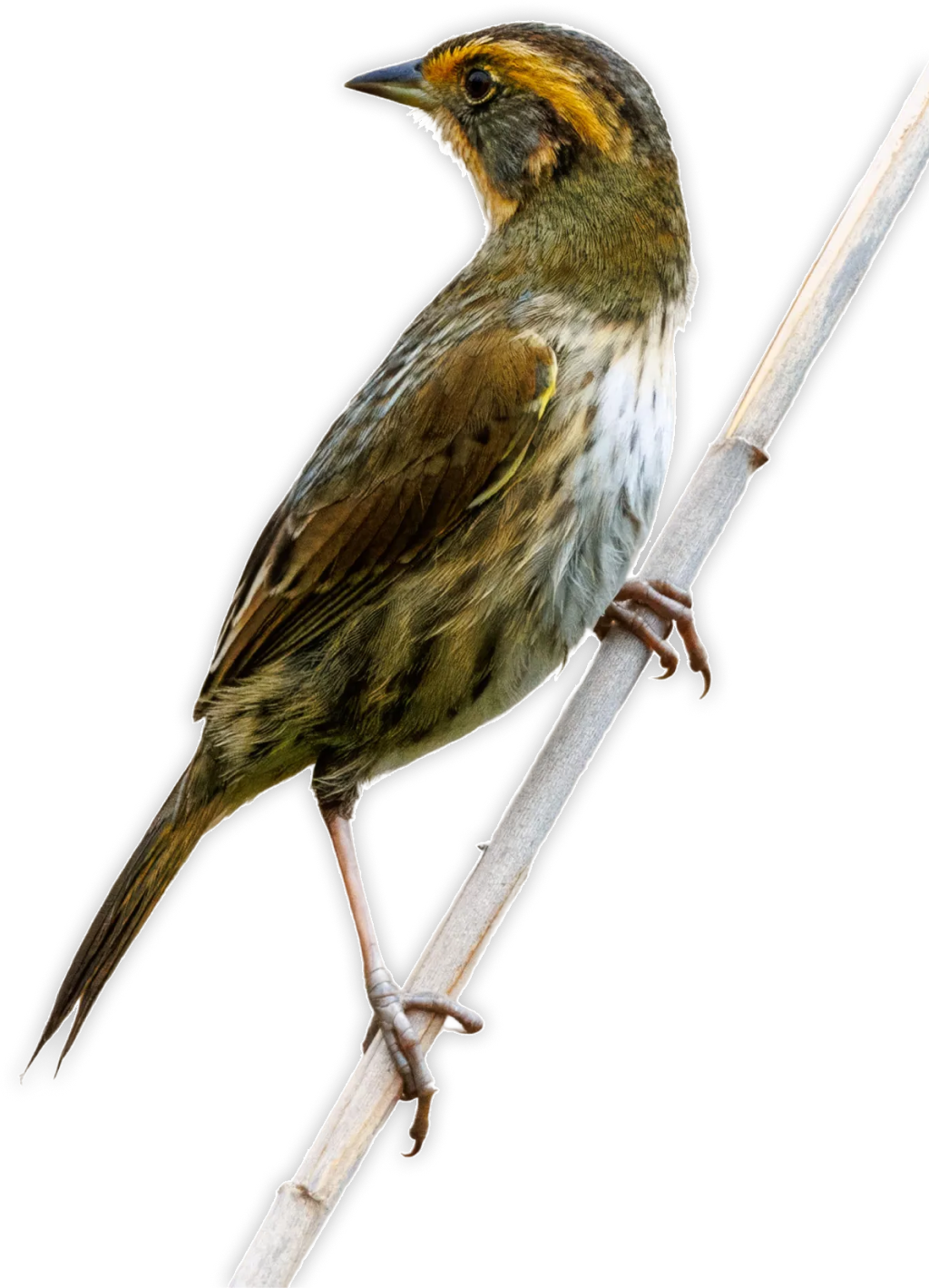
The Birdcraft Sanctuary Bird Checklist is a handy pamphlet that you can download, print and bring with you on your next visit to the Sanctuary. It’s a convenient way to keep track of birds you see.
The Connecticut Audubon Society extends its sincere thanks and appreciation to Aidan Kiley for his outstanding work in researching and compiling this checklist. His outstanding volunteer contribution in helping Birdcraft continue to be a vital area resource is invaluable, and his work also helps support our mission towards conserving Connecticut’s environment through science-based education and advocacy focused on the state’s bird populations and habitats.
Our Senior Director of Science and Conservation, Milan Bull, notes that due to Aidan’s skill and dedication, “This is the most comprehensive checklist we have ever had for the Birdcraft Sanctuary. It is a significant addition to our efforts and will be extremely useful to all those who enjoy birding at the Sanctuary.”
Aidan Kiley is an environmental science student who started birding in middle school and has been visiting Connecticut Audubon locations ever since. The Birdcraft and Larsen Wildlife Sanctuaries are two of his favorite spots to bird. Aidan is also a bird photographer and avid eBirder, where he serves as the Hotspots Editor for Connecticut.
Bird Banding Reminder
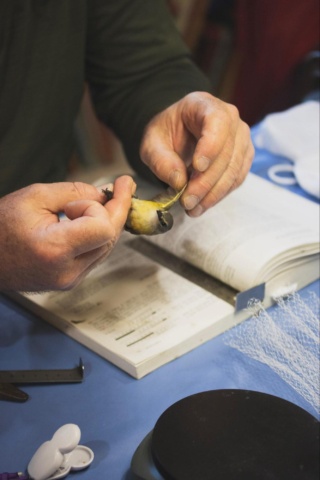
A friendly reminder to visitors to Birdcraft Sanctuary: please do not touch the bird banding nets, and if you come upon a bird in one of the nets, please leave it alone.
On several occasions in recent weeks, visitors have released birds from the nets. Only the federally-licensed bird banders at Birdcraft are legally permitted to handle those birds. Releasing them risks injury to the birds and interferes with the bird banders’ research.
To find out more about bird banding and the important data that is collected, click here.
What to do with “abandoned” or “orphaned” birds

The CT DEEP has excellent advice for what to do if you find an “orphaned” bird. Click this link. Photo by Stephanie Galea/The Connecticut Audubon Society
Have you found an abandoned bird?
Birds and other wildlife that seem to be abandoned or orphaned at this time of year often are not actually abandoned or orphaned.
The Connecticut DEEP has advice about what to do if you find a bird that you think is abandoned. There are several alternatives.
Click here to learn about them.
Please do not bring injured or orphaned animals to any Connecticut Audubon Society facility. Connecticut Audubon is not authorized to accept injured or abandoned animals.
But if it is obviously injured, it may need help. The CT DEEP has more information here about dealing with distressed wildlife.
Birdcraft Sanctuary
The Birdcraft Sanctuary is open seven days a week from dawn to dusk. The building, including restrooms, is open Monday through Friday from 9 a.m. to 5 p.m.
General Information
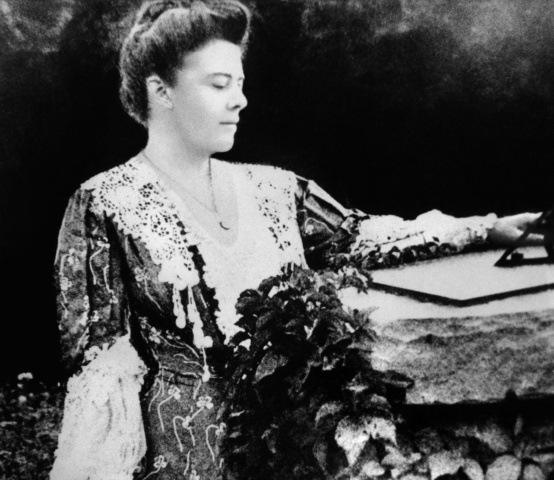
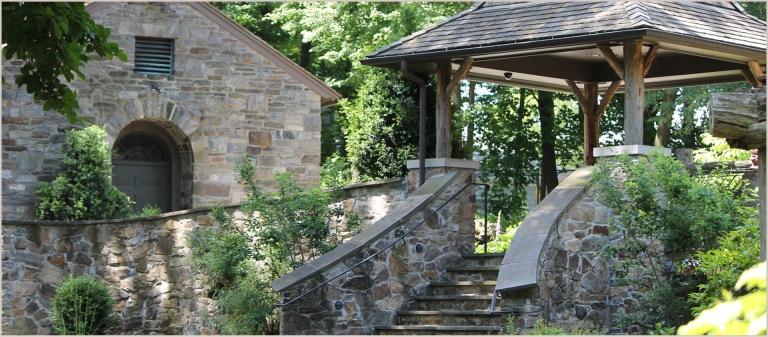
Founded in 1914, Birdcraft is the first private bird sanctuary in the United States and is a National Historic Landmark.
This six-acre site was originally planted as a refuge to attract, harbor, and feed migratory and resident birds. More than 120 bird species have been recorded on its grounds.
Birdcraft’s focus today is offering premier natural history education programs and events for children and adults. It is also a federally-licensed bird-banding station.
Directions
From I-95: Take Exit 21. Go north on Mill Plain Road for about ½ mile. Turn right onto Unquowa Road. After you go under the I-95 overpass, immediately turn left into our driveway and parking lot.
From I-84: Take Routes 25, 8, or 91 south to Merritt Parkway and follow directions below.
From Merritt Parkway (Route 15): Take Exit 44.
Northbound: Turn right onto Congress Street.
Southbound: Turn left at the light; go about 200 yards and turn left onto Black Rock Turnpike; take first right turn onto Congress Street.
From Congress Street: Turn left at first stop sign (Burr Street) and go straight (Burr Street turns into Mill Plain Road) to the 4th stop sign. Turn left onto Unquowa Road. After you go under the I-95 overpass, immediately turn left into our driveway and parking lot.