General Information
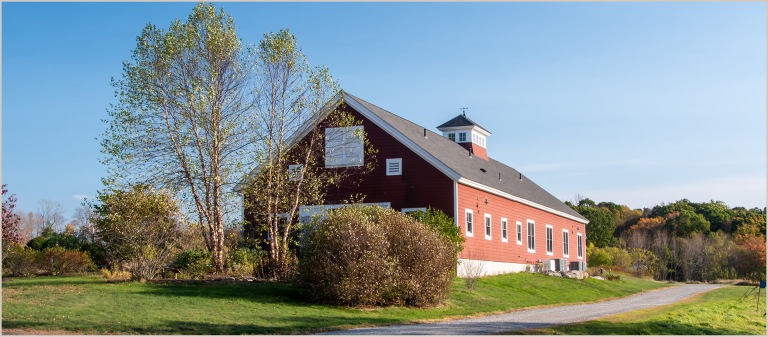
Located in Connecticut’s ‘quiet corner,’ Connecticut Audubon Society’s Grassland Bird Conservation Center at Pomfret is surrounded by rural beauty and adjoins the Society’s 700-acre Bafflin Sanctuary, with its vast rolling meadows and grasslands habitats. The Center is a community-based facility that will actively manage habitat for grassland and offer environmental education programs, bird walks and nature events, Citizen Science training and projects, and many opportunities to learn about and explore the natural world.
In addition to the Bafflin Sanctuary, the Center at Pomfret offers a new classroom, where people of all ages can experience hands-on environmental education programs; after-school and weekend environmental programs; day and evening hikes and bird walks; seasonal lectures and workshops; changing natural history exhibits; and workshops for teachers.
The Center manages the Society’s Trail Wood Sanctuary, once the home of Pulitzer Prize-winning nature writer Edwin Way Teale. This 168-acre sanctuary offers well-developed trails and a small nature history museum with Teale memorabilia, as well as programs for adults, families, and children.
Education Programs
After School Nature Club at Pomfret
3:30-5:15 p.m.
April Session:
Grades K-2: Tuesdays April 3, 10, 17 & May 1
Grades 3-6: Thursdays April 5, 12, 19 & May 3
May Session:
Grades K-2: Tuesdays – May 8, 15, 22, & 29
Grades 3-6: Thursdays – May 10, 17, 24, & 31
Do your kids need some time to blow off steam after school? Send them to the center. In the winter we are all about tracking and sledding. We will fill their afternoon with fresh air and fun on the sanctuary with wildlife lessons quietly inserted along the way. Fee per session: $40 members; $50 non-members.
Mountain Lions
Sat. Feb. 18 at 2:00 p.m.
Come and hear cougar expert Bill Betty discuss the behaviors and habits of this mammal. He will discuss his decades long pursuit to prove that mountain lions are in New England. Bring your stories of personal sightings and any photos you might have. This program fills up fast, so call to register. Cost: $5 members/$10 nonmembers.
Bears of Connecticut
Sun., March 4, 2 p.m.
Former CT Wildlife Division Director Dale May will discuss the DEEP’s decade long study of bear populations in northwestern Connecticut. Bear populations in northeastern corner of the state are expected to increase dramatically in the coming years and this program will help residents of the Quiet Corner better understand bear biology and behavior. Cost: $5 members/$10 nonmembers.
Download a brochure of all Educational Programs
Bird Walks
Monthly Owl Walk
Sat. Feb. 11, 5 p.m.
Join Andy Rzeznikiewicz as he calls in various owl species. Last year we saw screech, barred, great-horned, saw-whet, and long-eared owls on the various walks. Call to register. Cancelled due to bad weather(rain, snow, or ice). Cost: $5 members/ $10 nonmembers.
Monthly Bird Walk
Tues. Feb. 21, 1 p.m.
Join Andy Rzeznikiewicz as he finds various winter bird residents. Maybe winter finches, a roosting saw-whet owl, horned larks, ducks and raptors. Note the early afternoon time, the birds are more active when it is cold in the afternoon. Cost: $5 members/ $10 non members.
Woodcock Watches
Thurs., March 15, 6:45 p.m. Sat., March 17, 6:45 p.m.
Thurs., March 22, 6:45 p.m.
Thurs., March 29, 6:45 p.m.
Thurs., April 5, 7 p.m.
Andy Rzeznikiewicz will take you to see woodcock performing their mating display. As long as the weather and temperature cooperates, we should hear and see woodcock in action. Cost: $5 CAS members; $10 non-members.
Sanctuary Walks
Wednesday Noon Walks
Feb. 1 through May. 30
Get out of the house or office to stretch your legs and clear your head. Join Connecticut Audubon Society staff for fresh air, exercise, good company and naturalist lessons along the way. Seniors and parents with babes in backpacks welcome. Free
Thursday Morning Walks
Feb. 2 through May 31., 8:30 a.m.
Third Sunday Walks
Sun. Feb 19, 2 p.m.
Sun. March. 18, 2 p.m.
Sun. April. 15, 2 p.m.
Sun. May 20, 2 p.m.
Longtime volunteer and naturalist Fran Baranski and other Center volunteers will lead walks on the Bafflin Sanctuary and Wyndham Land Trust properties. Walk for fun and exercise, visiting different locations each week. A tracking lesson will no doubt present itself. Cost: Free CAS Members; $3 Non-members
Monthly Art Exhibits
Expressive Landscapes
Large Scale Acrylics by Muriel Miller
Reception Sunday Feb. 5, 2-4 p.m.
Exhibit through Feb. 29
Hampton resident Muriel Miller has focused on large-scale acrylic landscape paintings that combine an impressionist rendering of light and atmosphere with a vividly expressionist and psychological use of color. Says the artist, “I try to push beyond what I see to what I feel in expressing a reaction to a place.” Miller’s choice of subjects further reflects a meeting of the familiar and the unfamiliar as paintings depict northeastern Connecticut landscape where she lives along with vivid paintings of observations of the natural environments during travels in Ireland, England, Australia and the National Parks of the West. Muriel has taught Printmaking, Painting, Drawing, Color Theory and Location Studies Abroad since 1995 at Eastern Connecticut State University, CCSU, and Paier College of Art, Inc.
Susan Peifer Exhibit and Sale
Opening Reception Sun., March 4, 2 – 4 p.m.
Exhibit through March 30
Susan’s bright cheery watercolors are the perfect antidote for late winter. A resident of Chaplin, wildlife artist Susan Peifer has all the elements available in her backyard to create her bright, spirited, approachable watercolors. Of her work, she says, “Nature has always been my favorite subject. To see birds and wildlife interact around me everyday in their natural element gives me the opportunity to portray them as real individuals; to give them life and personality.” Painting and exhibiting for over 30 years, Susan’s blend of crisp clear colors and wildlife images will be a welcome taste of spring. A percentage from all sales will benefit the Center. Free to the public.
Citizen Science Programs
Wildlife Monitoring Program
Winter Schedule – 2011 – 2012
(See Below Mammal Monitoring)
The Center at Pomfret has an extensive Citizen Science Program. In 2009, a total of 111 trained Citizen Scientists contributed 808 volunteer hours to our 5 active projects, described below. We welcome volunteers from northeast Connecticut and beyond to participate in all of our projects. Training sessions are held at the Center at Pomfret, unless otherwise noted. To register for the training sessions or the projects, or for more information, contact Project Coordinator Paula Coughlin at 860-928-4948, or pcoughlin@ctaudubon.org. (Registration is required for the training sessions and projects. Field work dates are subject to change due to weather.)
I. Rapid Bioassessment Training for Volunteers
Did you know that aquatic insects are indicators of the health of a stream? Many of us recognize these fascinating insects only during their brief time as flying adults (dragonflies, mayflies, stoneflies, and the like), but the early stages of their lives are aquatic. This rapid assessment of stream water quality provides valuable data to the Connecticut Department of Environmental Protection and local conservation groups. (Visit the DEP website to view data from past years.)
In the late summer and early fall of 2011, we will offer RB volunteer training. Come dressed to muck about in the streams; we’ll provide waders and nets and teach you how to do a stream assessment based on the insects we catch. Our RB volunteer data collection field trips (in streams in Woodstock, Pomfret, and Canterbury) will take place in September and October 2011.
II. Mammal Monitoring Projects in 2011-2012
Have fun hiking local forests, fields, and wetlands, while learning to recognize signs of wildlife in the Mammal Monitoring Project. Hike with program leaders Paula Coughlin and Fran Baranski to explore habitats and learn how to interpret tracks and signs of mammals, including bobcat, moose, river otter, fisher, mink, and black bear. We’ll find tracks, scat, and territorial and feeding signs that tell us about the comings and goings of our local wildlife. Winter 2011-2012 marks the third season of the Canterbury Mammal Monitoring Project, a partnership with the Canterbury Public Library and the US Fish and Wildlife Service. The 2010 season, 11 volunteers contributed a total for 156 hours to the Canterbury project. This year, we plan to designate a study site in Canterbury for our newly-trained volunteers to monitor. We welcome volunteers from Canterbury and surrounding towns.
Our trained Citizen Science volunteers monitor sites in Willington, Eastford, and Woodstock quarterly to document the presence of large mammals and collect data important to local land-use decisions.
We offer three levels of Mammal Monitoring Volunteer involvement:
- Backyard Tracker, which requires 10-15 hours of participation.
- Bafflin Tracker, which requires 20 hours of participation and trains volunteers to document mammals at the Bafflin Sanctuary.
- Volunteer Mammal Monitor, which requires 50 hours of training and prepares volunteers to monitor a study site.
Volunteers can move from one level to another, as their interest and schedule allow.
You can train to become a wildlife monitor by attending training hikes that suit your schedule throughout the seasons. Upcoming training hikes will be on:
Saturday, February 4, 2012 - Training Hike, Canterbury
Saturday, February 18, 2012 – Training Hike, Canterbury
Saturday, March 3, 2012 – Monitoring / Training Hike, Woodstock
(Dates may change due to weather)
Fee per hike: $50.00 for Members, $60.00 for nonmembers, free for Canterbury residents. Preregistration is required; contact Paula Coughlin at 860-928-4948 or pcoughlin@ctaudubon.org; or Kathleen Hart at Canterbury Public Library at 860-546-9022.
III. Vernal Pool Inventory
Vernal pools are small temporary bodies of water that are critical breeding habitats for many amphibians and need protection. You may have a vernal pool in your backyard. There are many ways to get involved. You can report the location of a vernal pool, document vernal pools as a trained citizen scientist, or learn how your town can begin its own vernal pool inventory using our model. Vernal pool season goes by quickly, so don’t miss the fun. On Friday and Saturday mornings in April and May, our trained volunteers document vernal pools in Canterbury, Pomfret, and Woodstock. We tramp through the woods, listening for wood frogs and counting amphibian egg masses. We also gather reports form residents of vernal pool locations in the three towns. The data we gather are transferred to a map to help agencies and conservation groups involved in land use decisions.
IV. Canterbury Grassland Habitat Survey
Did you hear a meadowlark this spring or see a kestrel hunting in a nearby field? Maybe you noticed an ‘LBJ’ (little brown job) with a yellowish eyebrow stripe in the grass – it could have been a Savannah sparrow. These are just a few of the grassland bird species whose numbers have dwindled as grassland habitat disappears. We launched this project in 2009, participated in 2010, and are planning to run it again in 2011. In June and July, our trained volunteers will look and listen for breeding grassland birds.
V. StreamWalk Project
In June, July, and August, trained volunteers join Project Coordinator Paula Coughlin on field trips to collect data, or work on selected stream segments on their own schedule, to contribute to stream conservation efforts in the Quinebaug River watershed. In one 3-hour session, we train volunteers how to report the physical characteristics of streams: depth, vegetation, and condition of the streambed.